Alumni Stories【Issue125】Randy Lai

CELEBRATING GOLDEN JUBILEE: THE YOUTH SHOULD STAY HUNGRY

RANDY LAI SHARES HER INSIGHTS FROM LEADING A GLOBAL HAMBURGER BRAND IN HONG KONG

McDonald’s constantly innovates to cater for customer needs. Randy said, “As a restaurant, we don’t have any chefs, but we do have data scientists who lay the foundation for its digital transformation.”


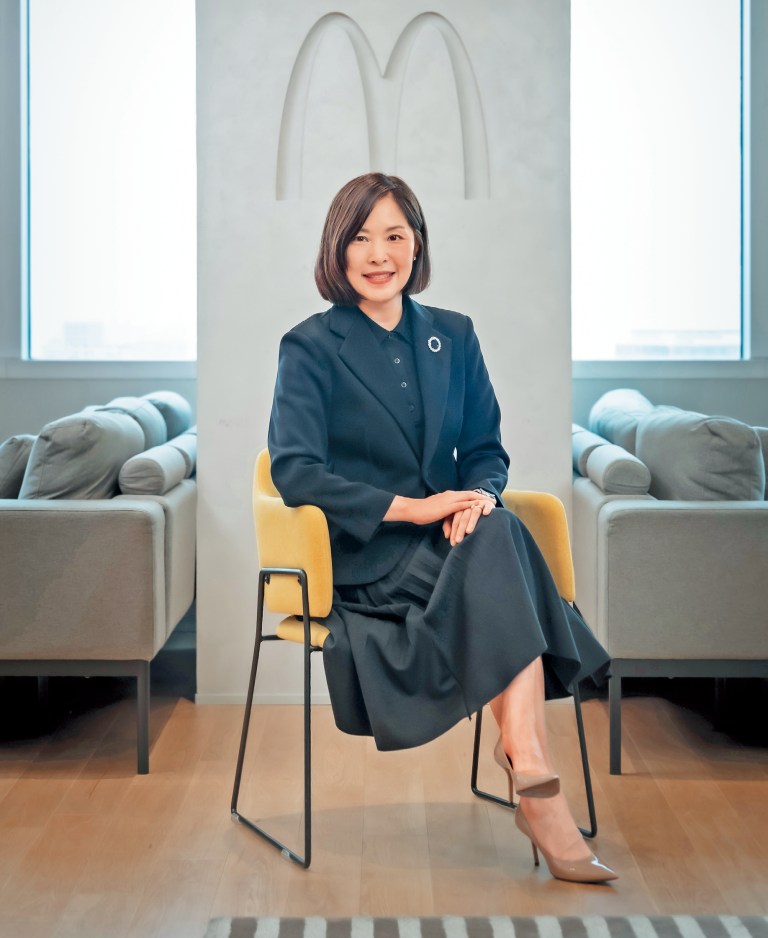
Alumna Randy Lai (05/GS/EMBA) joined McDonald’s in 1998, and has been working there for nearly 30 years. Last year, the company celebrated its 50th anniversary. What brings her on board was that she is passionate about the brand, which gradually changes into a sense of mission: “Not only do I let customers savour high-quality food and enjoy the best service, but I also hope to do more for society by leveraging the brand’s power.” With a background in marketing, she got promoted successively from Chief Marketing Officer (CMO) to Chief Executive Officer (CEO) of McDonald’s Hong Kong. “The difference between the two is that a CMO tells the brand story, and constantly brings fresh experiences to customers, while a CEO has to make a brand promise, ensuring that every customer feels the experience the brand promises at every stage, from entering the restaurant and ordering to dining”.
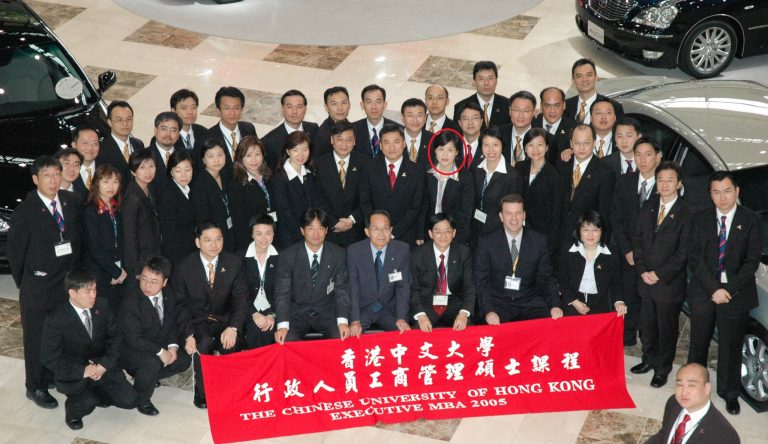
 

Randy (circled in red) believes that the CUHK EMBA programme offers a huge and vibrant network of alumni, allowing her to get acquainted with a number of new friends from different industries. This cross-sectoral exchange is precisely the most valuable aspect of the EMBA programme.


Randy started her career as a Marketing Executive of McDonald’s China, and was promoted to CMO of McDonald’s Hong Kong in 2005. Randy described this career as her dream job, but she wanted to take her career up a notch and make a greater contribution. “There’s a substantial leap from CMO to CEO, so I pursued an EMBA at CUHK to broaden my view of the whole business and strengthen how I lead across functions. The most valuable part of the programme is that I learnt to think from different perspectives and got acquainted with classmates from diverse sectors and backgrounds. Doing group projects with them and participating in exchange programmes in Tokyo trained me to put myself in others’ place, which was conducive to my work in the future.”
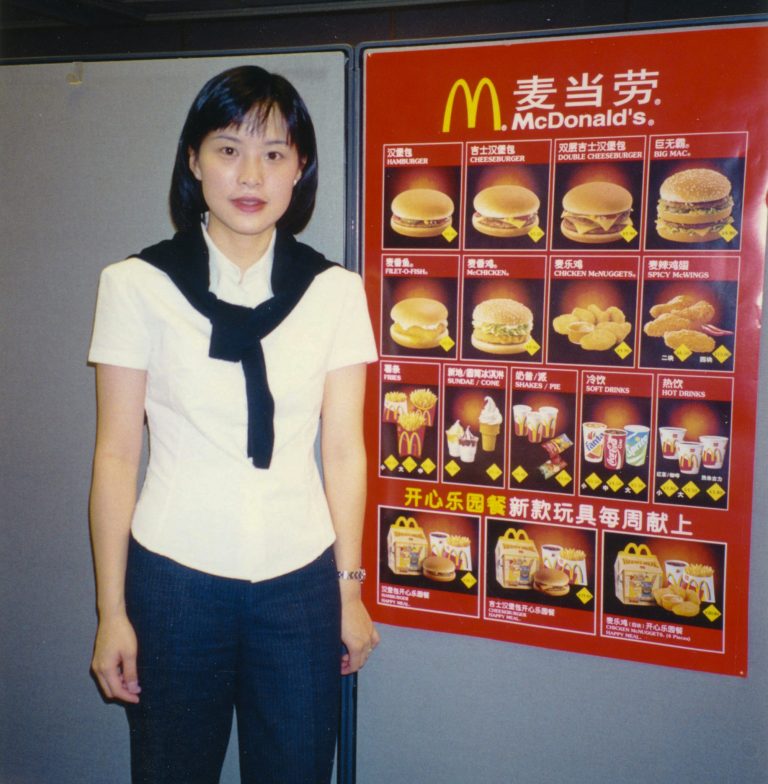
A photo of Randy on her first day working at McDonald’s China.


EMBA Course Inspires Corporate Spirit

“Customer First, People Obsessed, Innovate for Growth” is the spirit McDonald’s has always upheld. Randy stated that the concept was essentially inspired by the CUHK EMBA programme. “Prof. Andrew Chan often mentions the ‘left-right circles’ theory: the left circle represents what the company can do, and the right circle represents what customers need. Doing business is about finding the overlap between these two circles. The world today is however changing rapidly; two circles are still insufficient. Technologies and market trends are evolving at an unprecedented pace, especially in the catering industry which has undergone tremendous transformation. In the past, there was no e-commerce, and not many international brands were entering the Hong Kong market. Leading the team to stay true to our original aspirations and move forward in this rapidly changing environment is what I need to do. I feel like I am doing a new task every day. On one hand, I’m learning e-commerce; on the other hand, I’m learning digital transformation, and I’ve been recently learning artificial intelligence. That’s why I haven’t felt bored doing the same job for so many years.”

She stated that digital transformation is a pivotal part of innovation and change. “Currently, we offer six ways of ordering. Apart from ordering from our restaurant counter, customers can also order through McDonald’s App, self-ordering kiosks, two third-party delivery platforms, and dine-in table service. Many people don’t expect that McDonald’s, as a fast food restaurant, would offer dine-in table services, a direct response to a customer‑reported pain point. Now, our staff member will deliver the food directly to customers once they make an order with their mobile phone and scan the QR code on the table. This is especially convenient for customers with children or the elderly.”

The reason why I choose CUHK for further studies is that I hope to enhance my connection with China. “I studied in Canada, and I hoped to connect with the Chinese and Asian networks through my studies at CUHK. I remember that there was indeed a number of classmates from Chinese Mainland at the time, and I learnt a lot about the country’s landscape and wisdom from them. One particularly impressive course in the CUHK EMBA programme explored management wisdom through the ‘I Ching’, and I gained valuable insights from it. Even though it has been 20 years since graduation, my classmates and I still keep in touch. Although we’re all busy and see each other less often, we still greet each other in our chat group every day, reflecting our long-lasting friendship.” She also shared an interesting anecdote: “The EMBA classes were held in the Bank of America Tower in Admiralty. Back then, my classmates often complained about the lack of dining places nearby, so we opened a McDonald’s restaurant. Unfortunately, it closed due to the impact of the pandemic, but it remains a cherished memory for my classmates and me.”
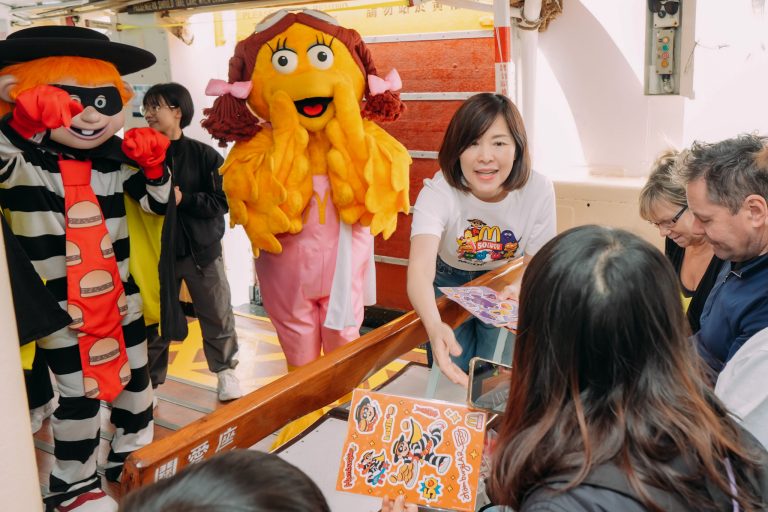
 

McDonald’s Hong Kong celebrated its 50th anniversary last year and offered free rides on the McDonald’s-themed Star Ferry to Hong Kong residents on 1st January. Randy boarded the ferry to distribute souvenirs to tourists and locals.


Actively Stepping into Frontline Roles

Besides equipping herself with further studies, Randy did something unconventional before serving as CEO: “One year, as CMO, I humbled myself and spent a year training in the restaurant to learn frontline tasks from scratch like frying French fries, cleaning, and brewing coffee. I once ran into a friend who worked at a marketing company while I was brewing coffee. She thought I had quit the marketing job and become a barista! What I learned that year was empathy, and I came to understand what customers and frontline staff might be thinking in the restaurant.”

The CEO’s role is to deliver on the brand promise over a 30-minute dining experience. She felt grateful for her frontline experience working at a restaurant, where she mastered every detail of operating a restaurant. “The restaurant’s location, renovation and design, staff recruitment and training, food quality, etc., should all be taken into account. Even seemingly trivial things like the location of trash bins and whether handwashing stations are installed, carry valuable insights. For example, when I was working at the restaurant, I observed that customers often asked the frontline staff for drinking water, so I decided to install water dispensers in every restaurant to make things convenient for customers and reduce the workload for our colleagues. Also, the water dispensers should provide both cold and hot water since Hong Kong people prefer lukewarm water.”

As CEO, Randy describes herself as a conductor of a symphony orchestra. “Each department excels in its respective specialty, just like the cellists, violinists, pianists, and flute players in an orchestra who perform exceptionally well on their specialised musical instruments. However, if each of them plays separately, it won’t be a harmonised piece. My responsibility is to conduct, organise all the musicians, and decide which musical instruments should be louder or softer, and when. I am here to bring out the best in every member of the orchestra. I first explain to the team what piece to play, and after setting the goal, I break down the musical score and decide the task each player is responsible for. Similarly, we set a new strategy every year to give the team a clear goal and know which direction to go.”

Randy cited No. 5 alarm fire in Tai Po last November as an example: “I was in a meeting in Shanghai that day. After my flight arrived in Hong Kong at around 9 p.m., I held a meeting with all the senior leadership team to discuss how to support the residents of Tai Po. No matter how big or small the issue, some bosses would leave messages demanding that colleagues handle it at once. However, I try not to contact my colleagues all the time. I respect work-life balance, especially in today’s information-saturated society. If bosses are often sending messages, colleagues will find it difficult to identify priorities, and as a result, they won’t be able to get anything done.”
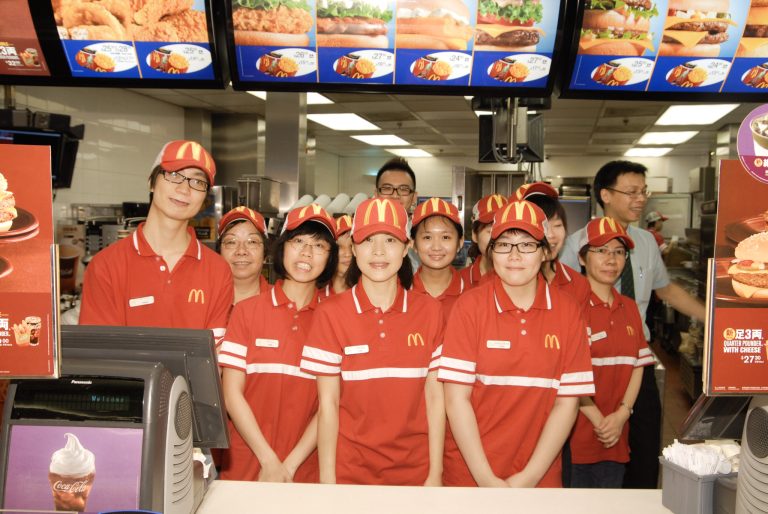
In 2009, Randy (center in front row) participated in the Operation Acceleration Programme for which she started her role as a frontline staff and did all the work herself.


Leveraging Brand Power to Contribute to Society

Speaking of the fire accident, Randy said the company’s response was a testament to its brand promise: “McDonald’s was among the first to respond: starting the day after the incident, three 24-hour restaurants in Tai Po provided free food to any resident who asked for support – no proof required. This arrangement continued until 6th March, and by the end of February, we had delivered over 32,000 meals; we also visited a primary school near Wang Fuk Court and delivered over 800 meals to students for their Christmas party. I appreciate that McDonald’s always serves as a member of the community and proactively contributes to society, which also explains why I’m willing to work here for over 20 years.”

Another achievement that makes Randy feel proud of is that the company became the first in Hong Kong’s food and beverage industry to introduce the Professional Diploma in Management Development (QF Level 5) programme. “The public may not notice that McDonald’s organises a very rigorous training programme globally, with 11 ‘Hamburger University’ established around the globe. We’ve combined McDonald’s globally systematic training system with the Hong Kong government’s Qualifications Framework to launch the programme, giving DSE students more career options. Once joined McDonald’s, one will get promoted to Restaurant General Manager (RGM) in as fast as 30 months, and he/she can obtain the qualification equivalent to a bachelor’s degree upon passing the assessment. When I attended the first graduation ceremony, I found that parents were deeply moved by their children who had an opportunity to obtain a bachelor’s degree; there was also a RGM in his thirties who hadn’t attended university, he came with his wife and children so they could share the moment of him donning a graduation gown. Most touching of all was a 59-year-old colleague who had been working in the company for 30 years, and never expected that a mortarboard was his retirement gift!”
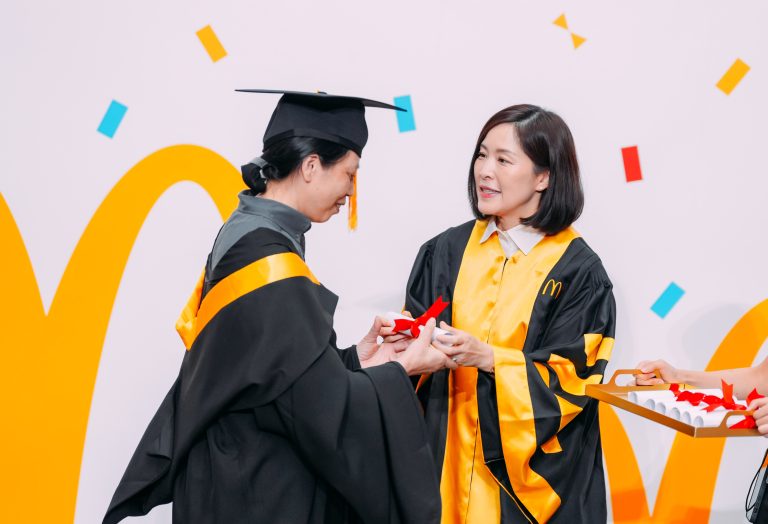
Randy (right) is most proud of launching the “Professional Diploma in Management Development (QF Level 5)” for the company, which has now enabled 270 Restaurant General Managers to obtain qualifications equivalent to a bachelor’s degree.


Continuous innovation over the years has led to the launch of a number of innovative products. Twisty Pasta is the product that Randy is most proud of. “When customers came to McDonald’s for breakfast in the past, the only options available were Sausage McMuffin with Egg and Hotcakes. However, Hong Kong people mostly prefer foods with soup for their breakfast, so Twisty Pasta was launched. Unlike traditional C-shaped macaroni, Twisty Pasta is S-shaped which can hold more soup. We also constantly launch innovative services. I’m most proud of launching 24-hour service in 2006. When I first proposed the concept of 24-hour operation, some colleagues doubted, thinking that there wouldn’t be any business at night. Actually, many Hong Kong people get off work very late, and many night school students don’t finish the class until 10 pm. They find it difficult to find a place to eat, and our restaurant serves as their haven.”

Innovation can lead to both success and failure. Randy believes that failure is not inherently bad. “Fàn-Tastic” is a case in point. We thought that Hong Kong people like rice, so we developed a rice burger. Although this innovative project brought me the Marketer of the Year award, a year later, we found that customers who wanted to have rice for meals wouldn’t necessarily think of McDonald’s. In the end, I was the one who suggested to my boss that we remove this item. I’m happy to admit mistakes, as long as I won’t repeat the same mistake. Unlearning and relearning from mistakes is the most valuable.”
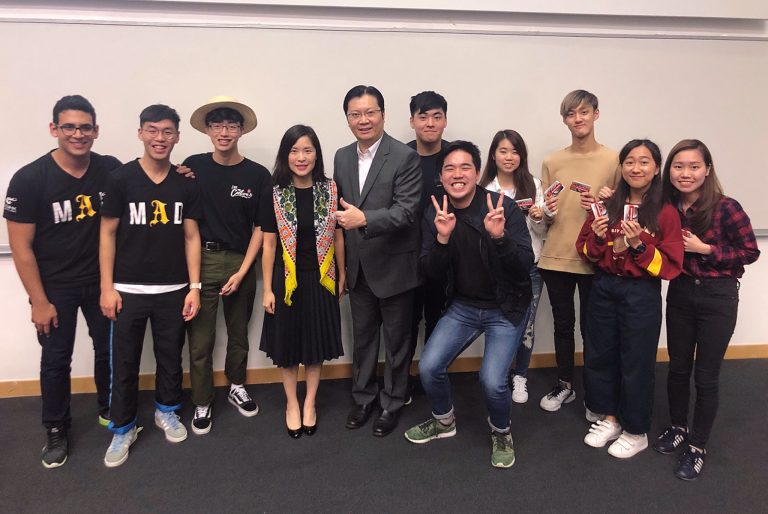
Since 2012, Randy (fourth from left) has been appointed as an Adjunct Associate Professor at CUHK, and often delivers lectures and shares her insights.


Listening to The Youths’ Voices

McDonald’s Hong Kong, one of the city’s largest youth employers, is where Randy actively engages young people and practises reverse mentoring to learn from them. “Many CEOs like to be mentors, but I believe more in reverse mentoring to learn from the youths, which also stems from empathy. We shouldn’t wait for students to understand us, instead we should proactively understand the youths nowadays. They really want others to listen to their voices. In 2022, we established a Youth Advisory Board in the company, and have held meetings with them quarterly to hear their opinions. Our recent successful collaborations with Vandy the Pink and Chiikawa, and our ‘No waiting, that’s cool’ slogan are the contributions made by the Board, which helped the brand find its way to attract young consumers.”

Randy advises that the youths should “Stay Hungry”. “Always bear a mindset of continuous learning, listen more, learn more, and observe more. Learning is not limited to formal classes; there are so many ways to acquire knowledge nowadays. The most crucial thing is to maintain a youthful and curious mind, think about how to do better and make further progress. This is also my motto in life.”
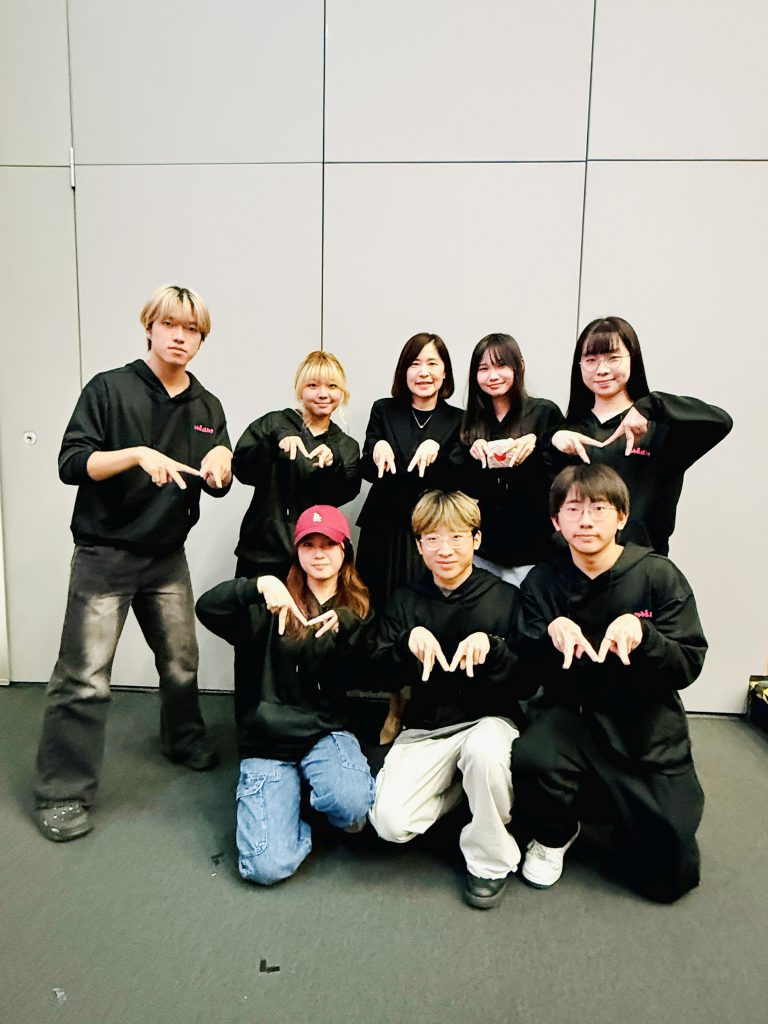
Randy (middle of the back row) likes to learn from the youths, see the world from their perspective, and gain new inspiration from them.


Randy Lai’s Journey

  • 1998 Marketing Executive, McDonald’s China
  • 2005 Marketing Director, McDonald’s Hong Kong;
    Executive Master of Business Administration, The Chinese University of Hong Kong
  • 2010 Managing Director, McDonald’s Singapore
  • 2011 Managing Director, McDonald’s Hong Kong
  • 2012 Adjunct Associate Professor, Business School, The Chinese University of Hong Kong
  • 2017 CEO, McDonald’s Hong Kong
  • 2025 Board Member, Hong Kong Tourism Board


Published on CU Alumni Magazine Issue 125 by Alumni Affairs Office 2026


The article is reposted from the CUHK Alumni Affairs Office Website

Alumni Industry Series | Wayman Ho and Albert Fung (EMBA 2014) join forces to build a new arena for pickleball

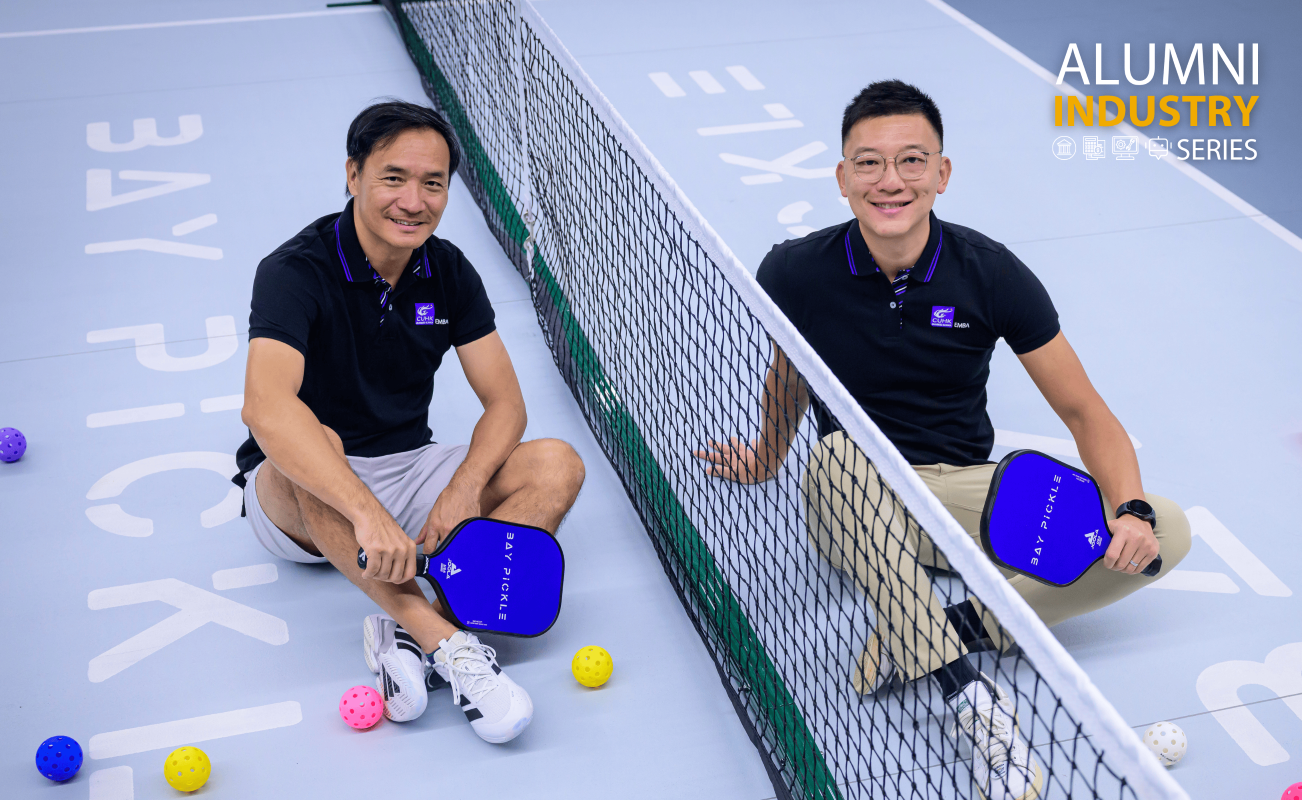
“In Hong Kong’s mature market, finding a true Blue Ocean is no mean feat, but we discovered that pickleball is precisely that promising, uncontested frontier,” say Wayman Ho and Albert Fung (EMBA 2014). Bonded anew by their enthusiasm for the sport, they established a strong foothold in this emerging sector. Both are confident that its rising appeal and the fresh drive of the younger generation will soon enable the city to nurture professional athletes of its own.


Discovering the appeal of pickleball

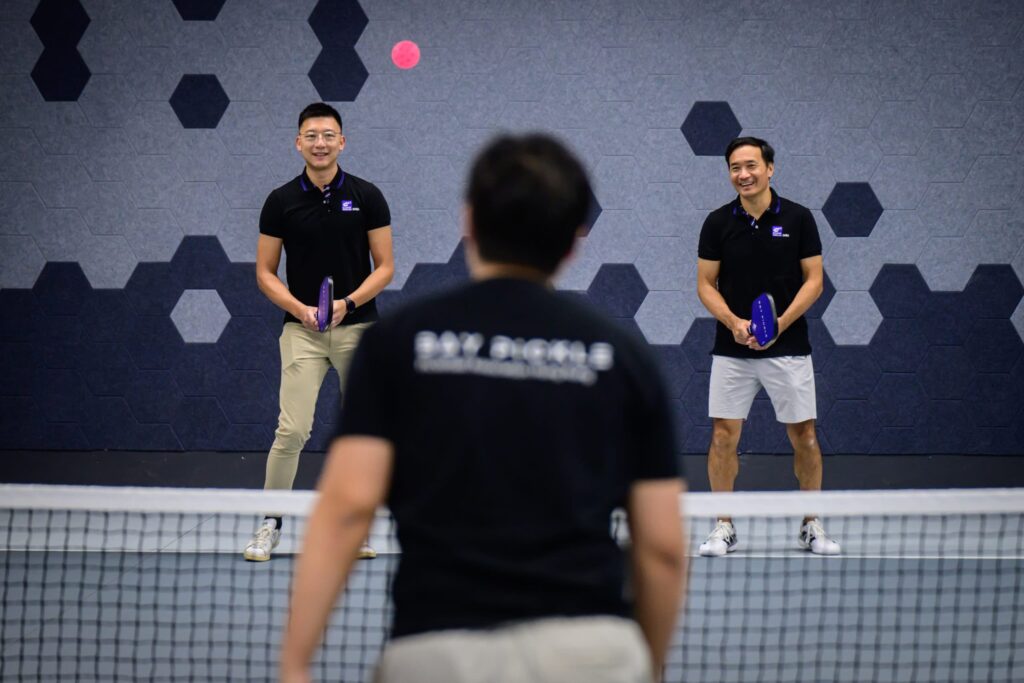
Wayman, with over 20 years in sportswear manufacturing and a lifelong passion for tennis, and Albert, a real estate investment professional who enjoys basketball and swimming, were both introduced to pickleball by friends a few years ago. “I only started playing in 2023, when few had even heard of it,” Albert recalls. “My research revealed that, beyond North America, only Vietnam and Malaysia had meaningful traction in Asia at the time.”


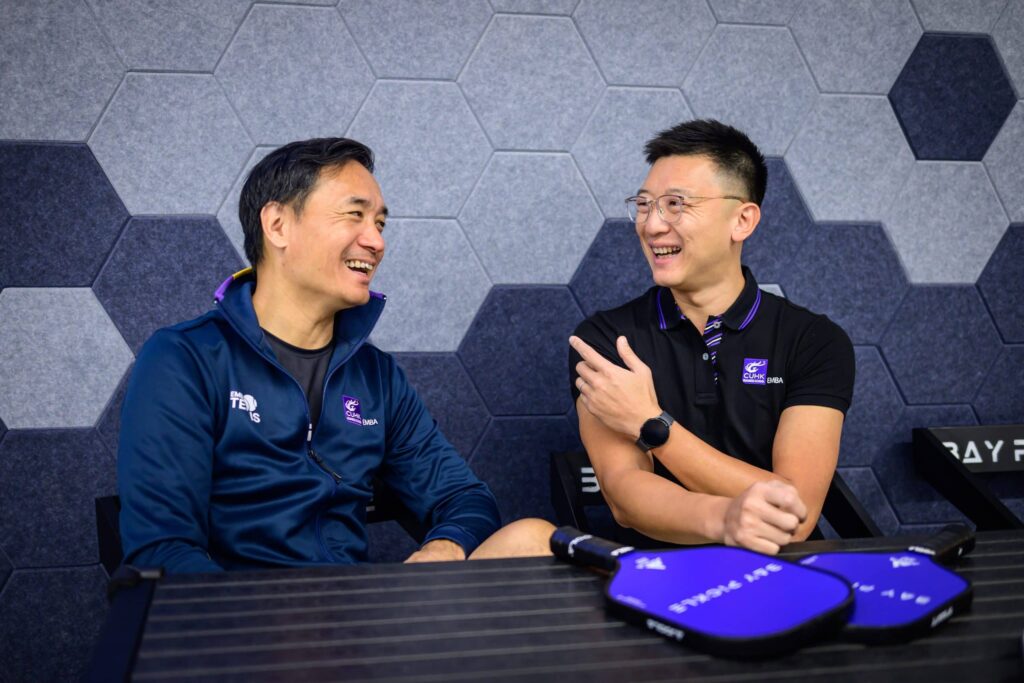
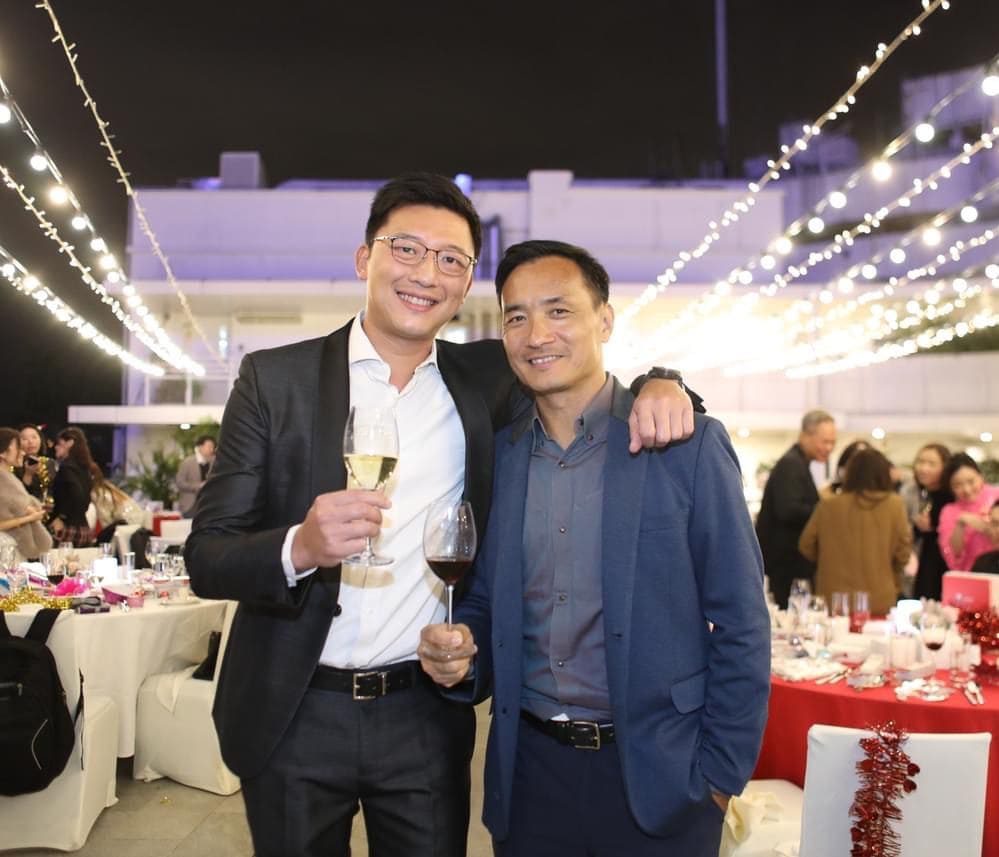
Wayman (left) and Albert (right) anticipate that within eight to ten years, Hong Kong could cultivate elite athletes capable of competing on the global stage.


Merging tennis, badminton, and table tennis, pickleball offers a low-barrier, easy-to-learn recreational sport option for all ages. After experiencing it firsthand, both admit they were completely hooked. “It doesn’t demand the stamina of tennis, the footwork of badminton, or the spin techniques of table tennis,” explains Wayman, “As long as you’re willing to pick up the paddle, anyone can enjoy the game.” Albert adds a delightful observation: several retired ladies, once regular mahjong companions, have become “paddle mates”, meeting weekly for matches. For them – and many others – pickleball has evolved into a relaxed, enjoyable way to socialise and stay active.

The pivotal moment that inspired them to take the leap came when they met Steve Kuhn, founder of Major League Pickleball in the United States. Kuhn had set the ambitious “40 by 30” target — to have 40 million Americans playing pickleball by 2030. Remarkably, that goal was achieved within just four years, revealing to Wayman and Albert the immense potential and business opportunity behind the sport.


Whether in business or on the court, they are the perfect duo


“In the Asian market, Hong Kong may have got off to a later start, but that very lag makes pickleball here a true Blue Ocean,” Albert emphasises. Two to three years ago, amid Hong Kong’s interest-rate-hike cycle and a cooling property market, developers are keen to boost project value with new elements — creating the ideal window for development. Albert began scouting venues and building indoor courts across districts, while Wayman drove business strategy and market growth through diverse training programmes and competitions to popularise the sport.

Today, the Leisure and Cultural Services Department has taken the lead by opening selected outdoor badminton courts for free public use in pickleball and other activities, while several shopping malls have installed dedicated courts. Educational institutions and corporations are rolling out courses for students and staff, and international tournaments are being staged in Hong Kong one after another. The city’s pickleball fever is steadily on the rise, with Wayman and Albert seeing a full local ecosystem forming. Confident in the future, they note early exposure among the younger generations is already yielding emerging talent – with strong potential, in eight to ten years, to produce internationally competitive elite athletes.


From classmates to partners

The duo have had their paths first crossed at CUHK Business School. “We met every week,” recalls Albert, then in his early thirties and among the younger EMBA classmates. “I later realised that professor had deliberately placed me in the same group as Wayman and other more experienced industry practitioners, so they could look out for me. That experience taught me to think from a ‘boss’s perspective’ and to understand their decision making process.” Wayman also admits he gained much from the programme: “What impressed me most was that guest speakers didn’t just talk about success, but shared invaluable lessons from failure.” After graduation, they stayed connected with EMBA alumni across cohorts, building a foundation of trust that eventually seeded today’s partnership and propelled them forward.


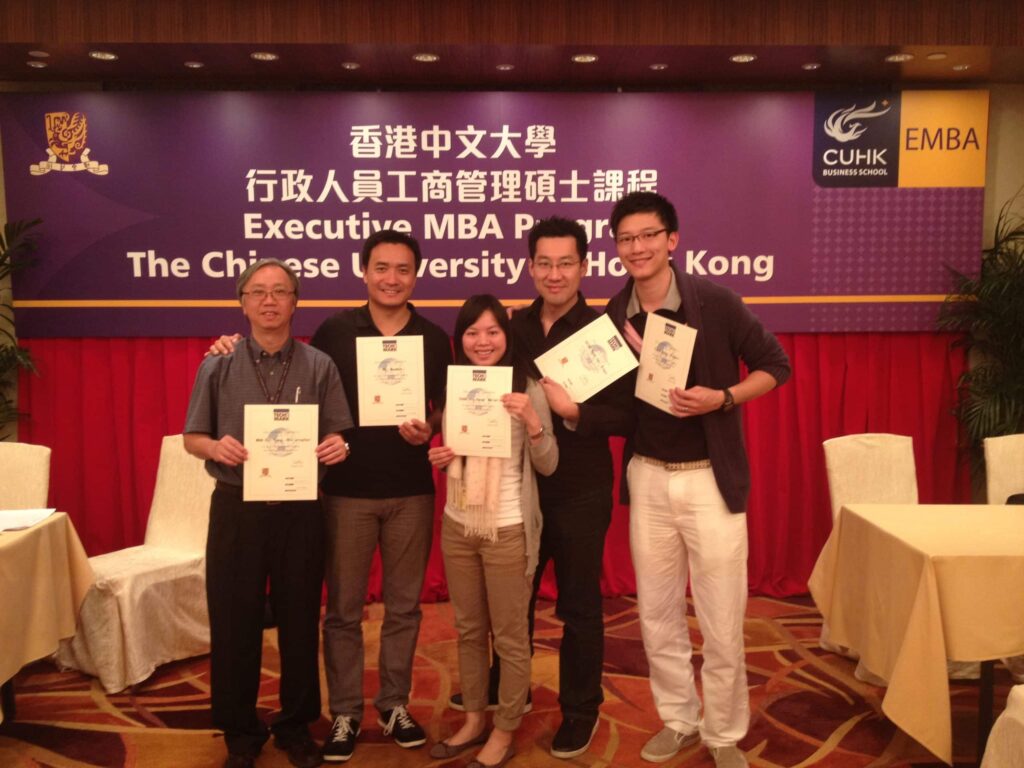
The two first bonded as group mates in the EMBA programme, forging a friendship that has endured for many years (Photo courtesy of the interviewees)


Fun fact: Why is it called Pickleball?

The name “pickleball” has nothing to do with food – there are primarily two accounts of how the name originated. One dates back to 1965, when founder Joel Pritchard’s family dog, Pickle, would always chase after a ball, inspiring the name. The other comes from his wife, who likened the sport’s mix of tennis, badminton, and table tennis to a “pickle boat” in rowing, where crew members are drawn from different teams. The nickname stuck, perfectly capturing the sport’s hybrid nature.


Taking into account the differences between indoor and outdoor conditions, the pickleball with a harder build and smaller holes (right) provides greater wind resistance, making it better suited for outdoor play


The article is reposted from the CUHK Business School Alumni Website

Terence Cher (EMBA 2005): Sunlit horizons in Phoenix’s tech journey

Name     Terence Cher
Study Programme   EMBA 2005
Current Location   Phoenix, Arizona, USA
Current Job   Director of Brand,  International, Arizona State University


Q1. Could you briefly describe your current job scope or responsibilities?

I am responsible for developing a framework to globally communicate the university’s brand and values. My role involves strategically positioning the university in the international education landscape, guiding future directions, and collaborating with internal and external stakeholders to implement a comprehensive global brand management plan. I focus on aligning solutions with our objectives, ensuring consistent brand representation while incorporating cultural elements.


Q2. Please describe Phoenix, Arizona in three phrases.

Sun-drenched; desert beauty; and dynamic growth.

Phoenix enjoys a bright and warm climate with more than 300 sunny days annually, fostering an outdoor lifestyle focused on activities like hiking and golf, all amid the stunning desert landscapes of the Sonoran Desert. The city boasts unique natural beauty with its picturesque cacti, rugged mountains, and breathtaking sunsets, offering residents and visitors a captivating experience.

Furthermore, Phoenix is one of the fastest-growing cities in the United States, characterised by rapid development and urban expansion. This growth attracts new businesses, cultural venues, and opportunities, making it a vibrant place to live and work.


Q3. Which industry do you see strong business potential in Phoenix and why?

The technology industry shows strong business potential in Phoenix. The city is emerging as a tech hub, attracting startups and established firms with support from various organisations such as the Greater Phoenix Economic Council (GPEC). Academic institutions provide a steady supply of skilled graduates, crucial for tech workforce expansion. The environment is also extremely business-friendly, with lower costs and government incentives, coupled with robust infrastructure and strategic connectivity to major markets like California and Mexico. Its quality of life, including a lower cost of living and appealing climate, enhances its attractiveness for tech professionals, supporting recruitment and retention efforts.


Q4. What is the one thing you miss the most during your study in CUHK Business School, and that you look forward to making it happen again?

I missed my 2005 EMBA cohort and faculty the most. I treasure the friendships, knowledge, experience and challenges we shared, especially in maintaining work-life-study balance. This experience prepared me for post-graduation assignments, while interaction in class empowered me to contribute effectively to diverse teams. I particularly appreciate the I-Ching module, which remains relevant in my life today. I look forward to reconnecting with Professor Mun Kin-chok and other cohort members for meaningful conversations that continue to shape my professional journey and personal growth.


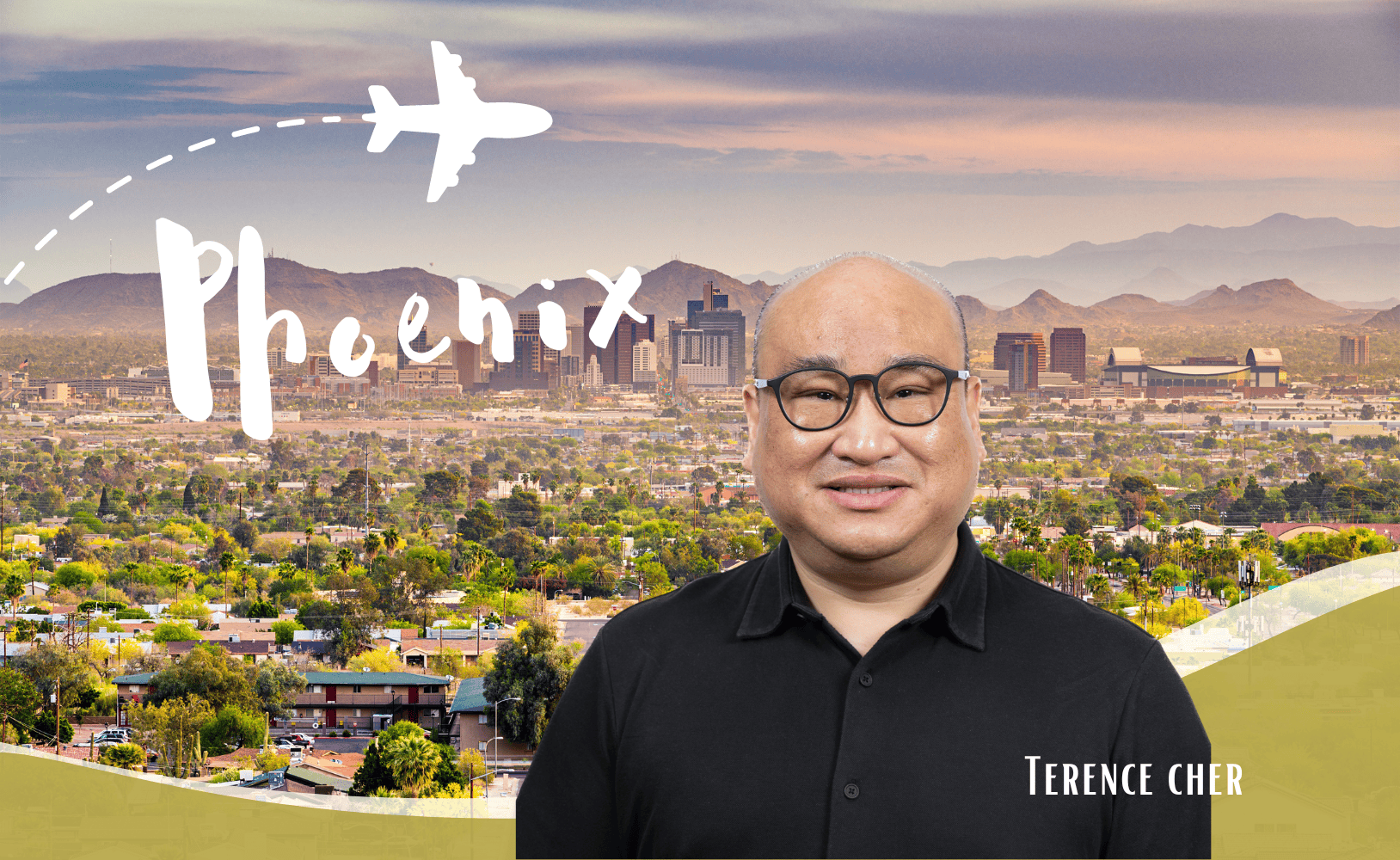
Terence (first from left) finds his learnings from the EMBA program relevant to his current role driving brand growth and success.


The article is reposted from the CUHK Business School Alumni Website

Alumni Industry Series|Peter Jung (EMBA 2015) advances ESG practices in the exhibition industry

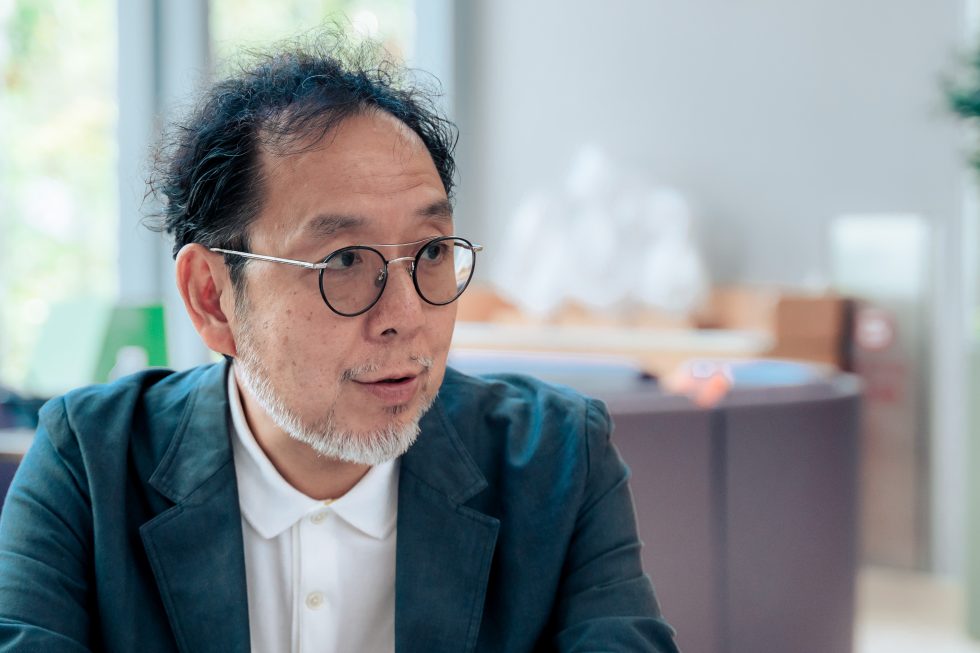
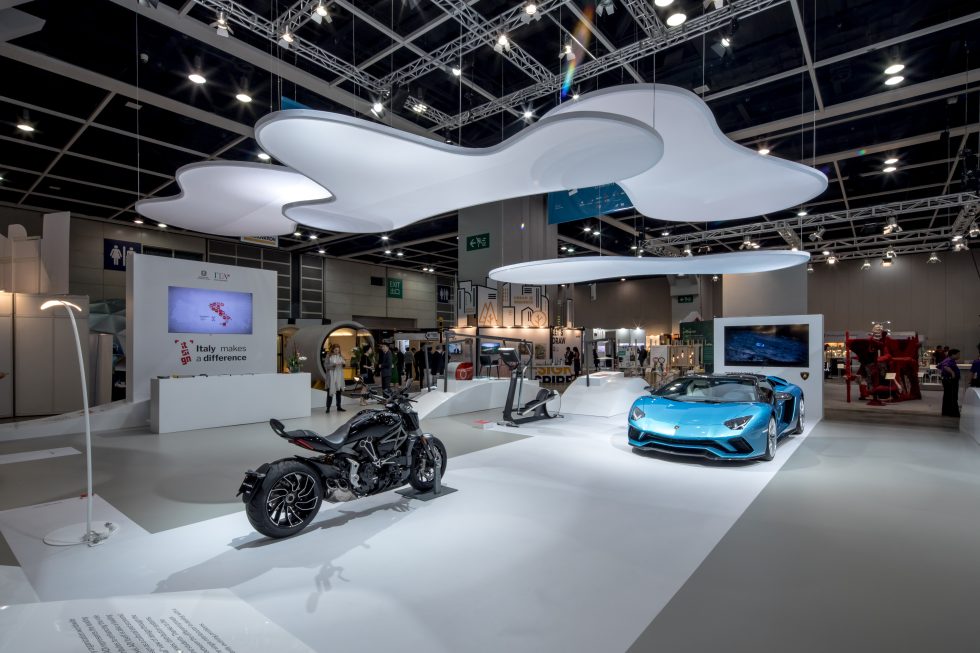
In the wake of the pandemic, all industries are eager for revival, and the exhibition sector is no exception, aspiring to surpass its pre-pandemic heights. Peter Jung (EMBA 2015), cofounder of Milton Exhibits and a seasoned industry veteran, was behind the highly acclaimed “MURAKAMI vs MURAKAMI” exhibition in 2019. Not only has he introduced safety management principles from the construction industry to the exhibitions field, but he is now also pioneering the integration of ESG (Environmental, Social and Governance) principles. As the industry seeks to rebound, Peter is committed to advancing carbon reduction and driving sustainability within the sector.

After completing his undergraduate studies in building and construction, Peter found himself in the exhibition industry almost by chance. “During my internship at a construction site, I realised that the architectural industry was different from what I had imagined, so I wanted to explore opportunities outside of it.” Graduating in 1988, the year the Hong Kong Exhibition and Convention Centre (HKCEC) in Wan Chai opened, he joined an event marketing company as a management trainee. By 2006, shortly after the debut of the AsiaWorld-Expo, Peter decided to venture out on his own. Drawing on his network and experience, he established his own exhibition business with a solid presence across the industry.

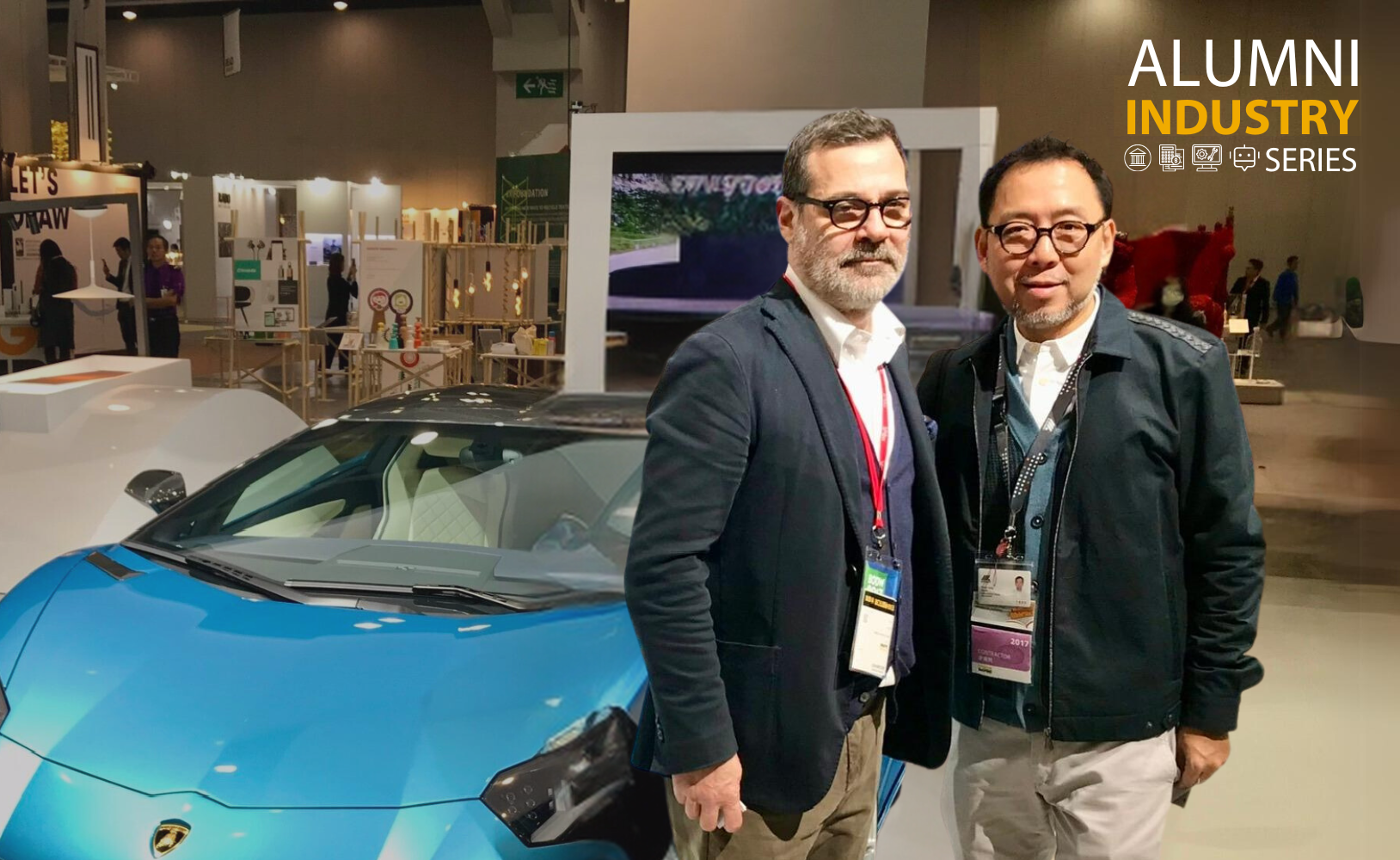
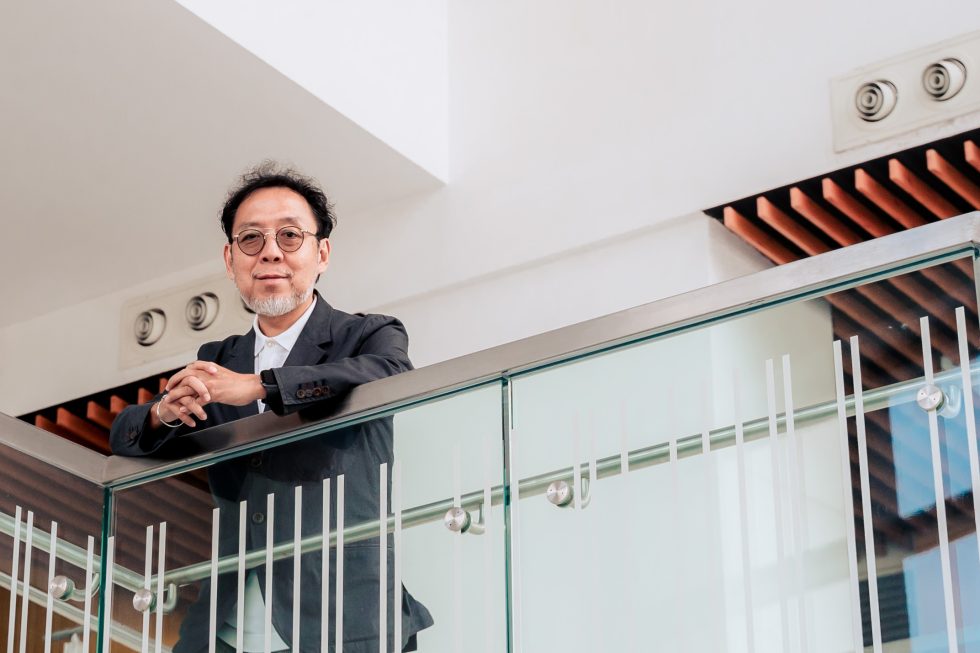
Peter believes the industry lags behind neighbouring regions in advancing sustainability and emphasises the crucial role of government support and initiatives.

With the advent of the HKCEC and AsiaWorld-Expo, Peter witnessed the dynamic growth of Hong Kong’s exhibition industry. As the market expanded, the demand for speed and adaptability grew as well. Being a technical service provider, he was often tasked with completing exhibition setups within a tight hours-based window to ensure that exhibitors could prepare on time. He also encountered situations where sudden changes in shipping schedules delayed booth deliveries, requiring him to quickly step in, travel to the location, and find alternative suppliers to address the issues.


Examining exhibition carbon emissions and promoting sustainability

In Peter’s view, while speed is a hallmark of the Hong Kong market, the city lags behind neighbouring regions in advancing sustainability. For instance, in MICE tourism — a major economic driver for Hong Kong — exhibitions contribute the most to carbon emissions. “Over 30 per cent of the carbon emissions from a single exhibition arise from the travel of exhibitors and attendees; emissions from the construction and transport of booths and related waste materials are also considerable,” Peter notes.


Peter underscores that beyond reducing carbon emissions, they need to explore new materials and suppliers, but the most crucial element is changing stakeholders’ mindsets to achieve synergy within the broader ecosystem that supports environmental responsibilities.

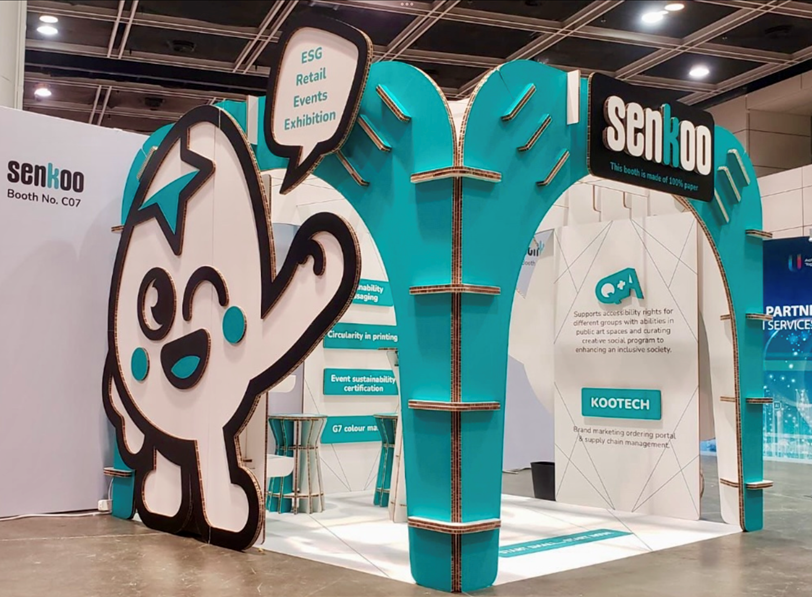
To promote sustainability in the exhibition industry, Peter begins every project by assessing its environmental impact and devising strategies to mitigate carbon emissions. For instance, he has repurposed old banners into new ones, opted for honeycomb panels instead of wood for booth constructions, and utilised modular integrated construction method to put together exhibits and booths. Additionally, some components were sent to mainland China for reuse in future exhibitions. Peter underscores that, beyond reducing carbon emissions, discovering new materials and suppliers is essential to achieve synergy within the entire ecosystem that supports environmental responsibilities.


Recyclable board exhibition stands are revolutionising the space with their combination of eco-friendliness and innovation. Peter said they serve as an excellent example of prioritising sustainability in exhibitions, which not only helps reduce waste but also significantly decreases the environmental carbon footprint of exhibitions.

Peter humorously remarked that seeing colleague who got full sponsorship from the company enjoy their EMBA experience at CUHK and enhance their management skills inspired him to enrol.


Fostering alumni engagement and sustaining classmate relationships

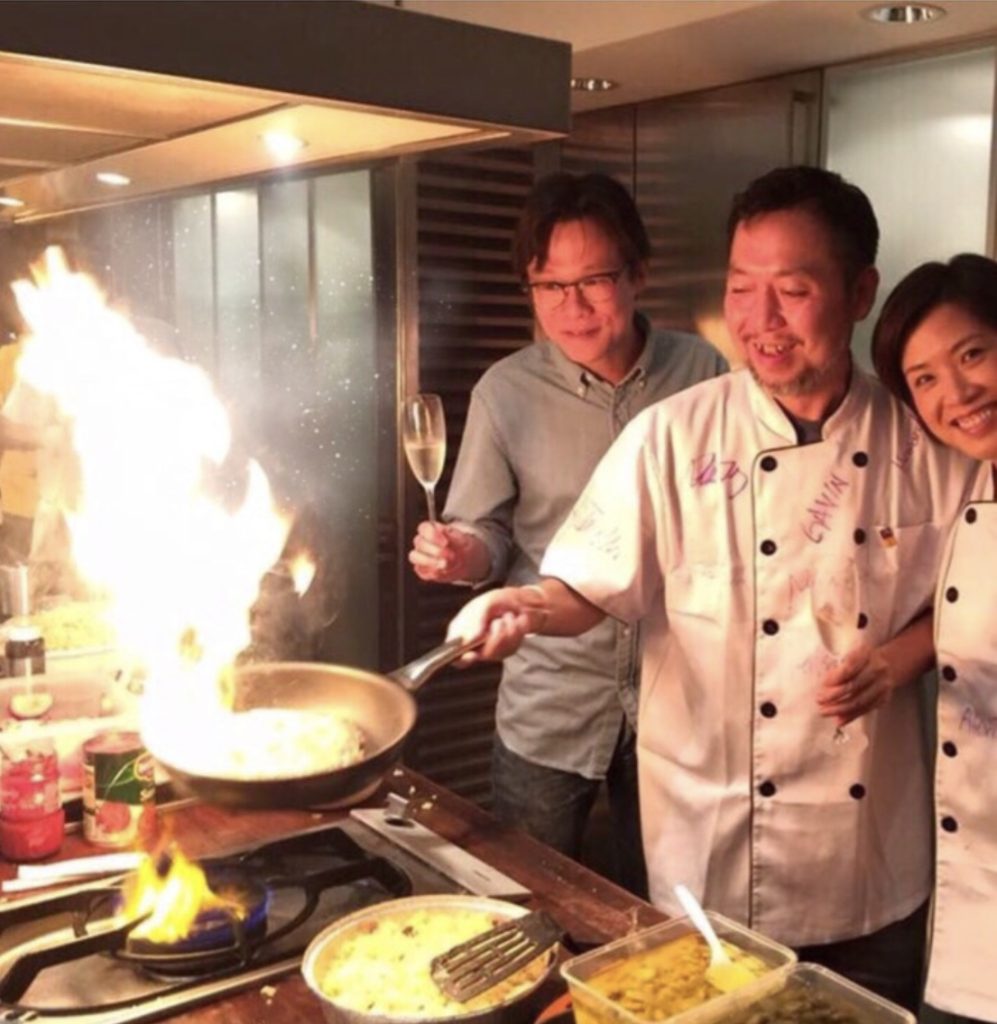
Peter’s commitment to sustainability is evident in both his professional and personal endeavours. He humorously shared that during his EMBA programme, he volunteered as the class rep by serving the fellow classmates to gain their favour. In this role, he established the “Class Reps Cook for U”, which hosts regular cooking gatherings to nurture enduring relationships among classmates. Peter is also planning to pursue design courses to incorporate more design thinking and service design into his projects and organisations. His aim is to address client needs while also prioritising environmental protection and social responsibility, thereby advancing sustainability through partnership with different stakeholders in the event and exhibition industry.


During his EMBA programme, he established the “Class Reps Cook for U”, which hosts regular cooking gatherings to nurture enduring relationships among classmates.


The article is reposted from the CUHK Business School Alumni Website

Lead Mind Series | Dr Chung Kin-lai (EMBA 2011) drives visionary change to lead CUHK Medical Centre into its next frontier

CUHK Business School boasts an extraordinary alumni network of visionary founders, executives and pioneers. Through the Lead Mind Series, we sit down with these distinguished figures to uncover their management philosophies, leadership wisdom, and strategic vision. Dive into their journeys and gain actionable insights to inspire your own professional path.


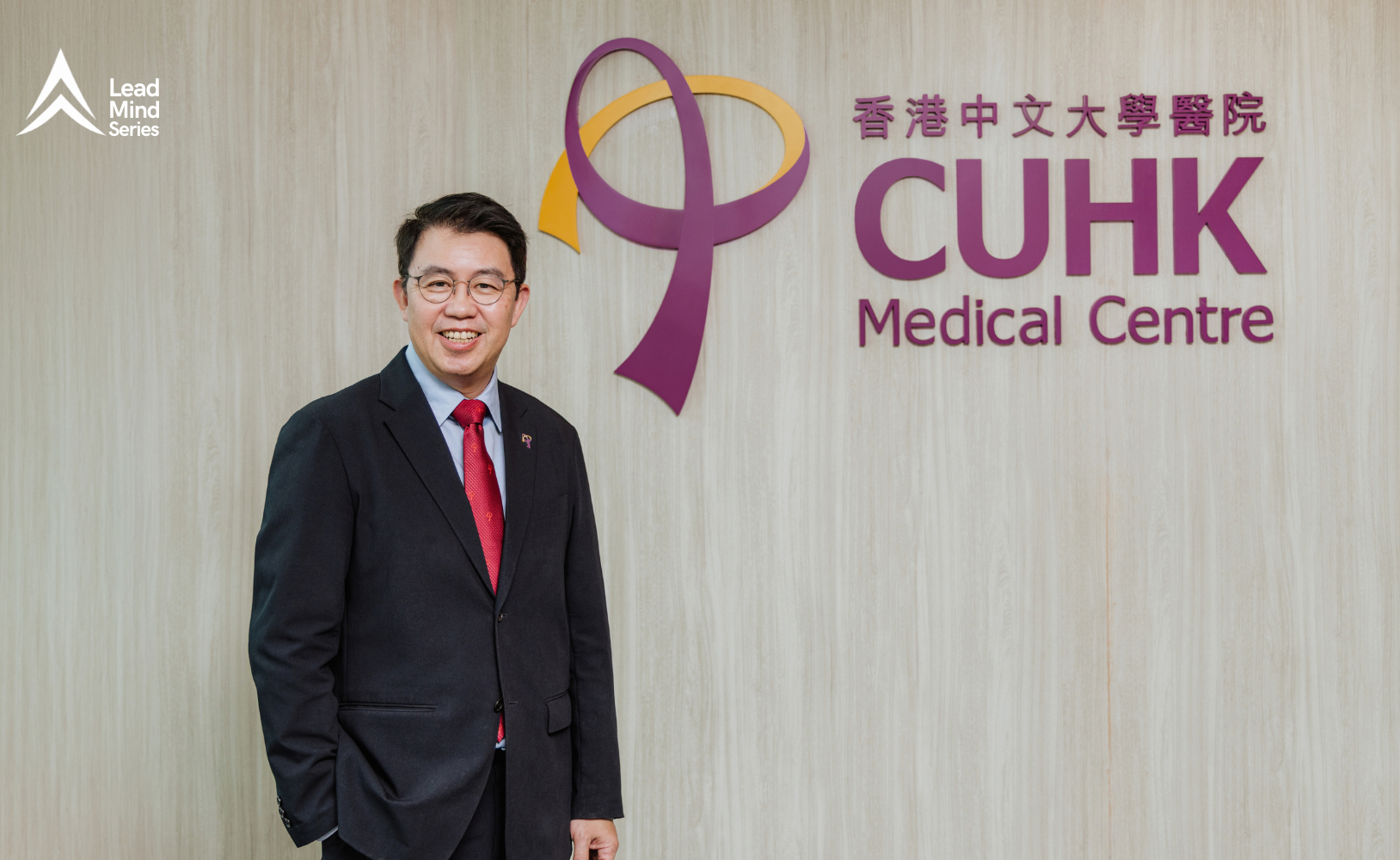
Great management is rarely just about technical expertise; it hinges on a willingness to break free from conventional thinking and draw inspiration from diverse fields. Having spent over three decades in public healthcare, Dr Chung Kin-lai (EMBA 2011) took the helm at CUHK Medical Centre (CUHKMC) last year. Refusing to limit his own horizon, Dr Chung’s transition from frontline clinical practice to hospital administration — and now from the public system to the private sector — has given him a profound understanding of healthcare delivery.

At the heart of his management philosophy lies a drive to break deadlocks and spearhead change. By applying hospitality service standards and e-commerce customer experience models to hospital operations, he has not only driven revenue growth but also elevated expectations for private care. This empathetic shift in perspective echoes the classic insight that “true vision comes when both eyes see as one” — proving that only an open, cross-disciplinary mindset can unlock new possibilities in healthcare.

Uniting teams through professional governance

Dr Chung admits he was never a traditional “model student” — he studied purely out of interest. That changed in Form 4, when the tragic loss of a close family member to illness galvanised his resolve to pursue medicine. After graduating with distinction, he launched his medical career as a neurosurgeon at Queen Elizabeth Hospital, later joining Tuen Mun Hospital as a founding member of its newly formed Accident & Emergency (A&E) department.

Rising through the administrative ranks, Dr Chung served as Chief Executive at both North District Hospital and Prince of Wales Hospital, forging deep ties across New Territories communities. He modestly attributes this rapport to his duties, noting that his role simply gave him more opportunities to engage with local leaders: “It certainly taught me a great deal about communicating with diverse communities.” Whether debating policy in the Legislative Council, mingling with business executives, or sharing a warm toast with rural village elders, he values every connection. That effortless ability to bridge different worlds — to be as comfortable in a boardroom as at a local banquet — reflects years of mutual trust and support. For Dr Chung, authentic communication is the only way healthcare can truly serve every corner of society.

While external relations require adaptability and tact, leading within demands reason and respect for expertise. Managing a hospital means leading top-tier minds across diverse fields — a challenge Dr Chung meets by returning medical authority to domain experts, trusting the clinical judgment and frontline experience of his teams. Since becoming CEO at CUHKMC, he has refined its governance framework by appointing senior professors as department heads to jointly shape major decisions. This setup capitalises on the institutional prestige of a university teaching hospital while cultivating trust and collaboration between executive leadership and healthcare staff.

Borrowing best practices to reshape private healthcare

As CUHKMC marks its fifth anniversary, Dr Chung’s roadmap is clear and grounded: optimise operational performance to deliver high-quality care at accessible prices, demonstrating the true value of private healthcare. To realise this vision, he draws inspiration from beyond traditional clinical boundaries to elevate the patient journey. He sent staff for hospitality training at CUHK Business School’s teaching hotel, prompting them to view facilities and care through the eyes of a hotel guest. A subtle yet meaningful change — providing bath towels for inpatients — exemplifies this perspective shift. “Transparent pricing is merely the baseline; patients naturally expect thoughtful, attentive care,” Dr Chung observes. “Reasonable fees are not a reason to stand still. We must constantly push boundaries to refine every touchpoint.”

The hospital also adopted customer service practices from e-commerce platforms, upgrading to 24/7 human-operated phone lines and replacing social media chatbots with dedicated staff. “When even a late night purchase of a $50 item online comes with warm, responsive support, it sets the benchmark for modern service expectations,” Dr Chung explains. “Healthcare should strive for that same standard.”

These empathetic refinements have yielded tangible results in both reputation and financial standing. Looking beyond operational improvements, Dr Chung aims to transcend geographic boundaries by extending Hong Kong’s medical excellence into the Greater Bay Area. The hospital plans to explore deeper synergies with its sister institution, CUHK-Shenzhen Hospital, leveraging their complementary strengths.

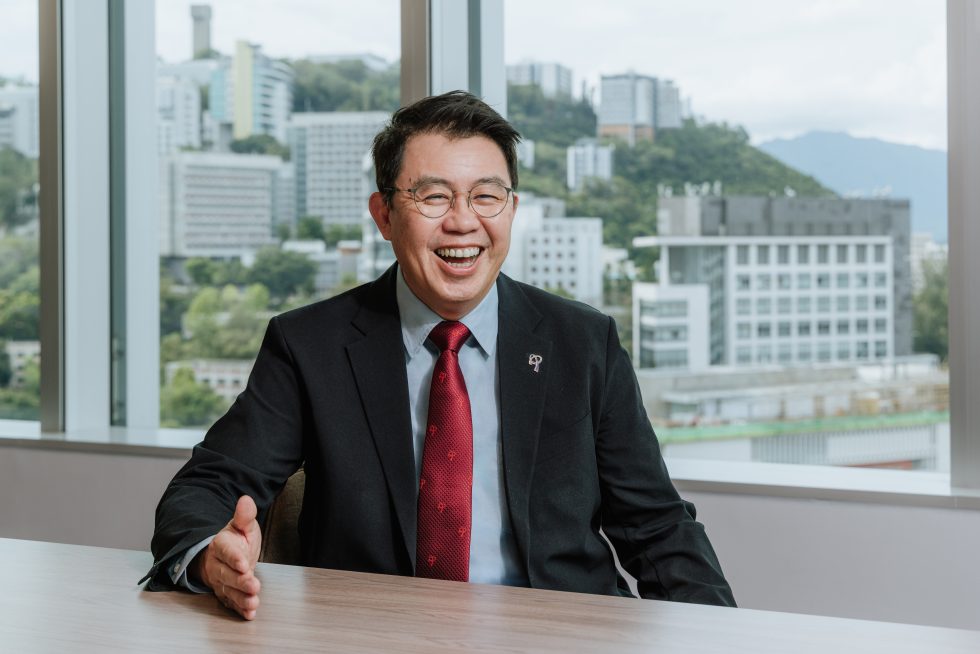
Dr Chung believes that as CUHK Medical Centre is rooted in CUHK and the New Territories community, it must build on its existing strengths while continuously striving to improve its services


Expanding horizons: A fresh management perspective

To broaden his strategic vision and leadership mindset, Dr Chung enrolled in the CUHK EMBA programme in 2009 — a rare move for a medical professional at the time. He openly acknowledges that management is a vast discipline; only through continuous learning across diverse fields can one navigate complex challenges with foresight. The programme challenged him to look beyond traditional clinical paradigms, equipping him to evaluate healthcare operations through a strategic, commercial lens. Among his most profound takeaways were the I Ching lectures led by Professor Min Kin-chok. “The leadership philosophy of the I Ching lies in understanding that opposing forces — Yin and Yang — are inherently unified,” Dr Chung reflects. “One must adapt smoothly with time, avoid extreme positions, and exercise patient restraint when conditions are not yet ripe.”

Today, he weaves this philosophy directly into hospital governance, balancing visionary idealism with pragmatic reality. Navigating the dual challenges of overcrowded public care and costly private treatment, CUHKMC has actively refined its fee structure and service delivery over the past year. This strategic realigning has yielded steady operational momentum, marked by breakthroughs in both community reputation and financial sustainability. Yet for Dr Chung, true fulfillment stems less from these metrics than from personal growth: “After decades in medicine, discovering this unexplored ‘other half’ of healthcare — and continually pushing my own boundaries — has been deeply rewarding.”

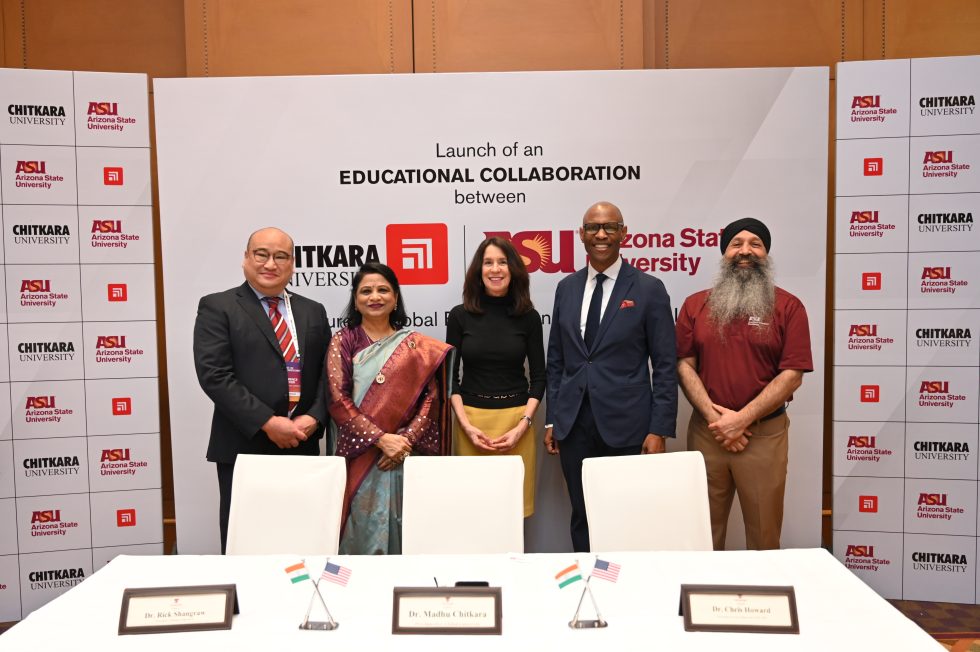
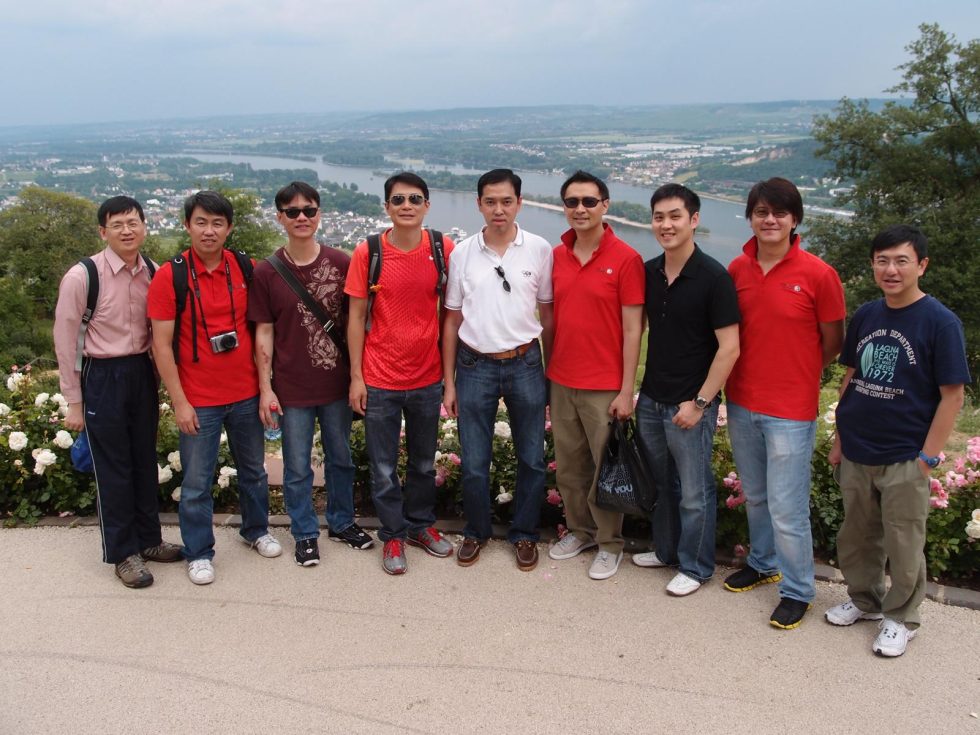
Pursuing his EMBA programme at CUHK Business School, Dr Chung (second from left) exchanges insights and perspectives with peers from diverse industries


The article is reposted from the CUHK Business School Alumni Website